# OpenAI 员工撰文探讨 AI 进入企业组织架构的三种方式
> 原标题:The future of the firm
- 来源:OpenAI:官网动态
- 发布时间:2026-10-28T10:00:00.000Z
- AIHOT:https://aihot.news/items/neprl0bcwv1mo2pd4dk1lvpjr
- 原文:https://openai.com/index/the-future-of-the-firm
## 摘要
OpenAI 员工 Hemanth Asirvatham 和 Elliott Mokski 发表下一篇经济系列文章,探讨 AI 进入企业组织架构的三种情形:在每位员工之下形成 AI 劳动力 basement、作为同事穿插在现有组织图中、以及夹在人类之间充当协调层。
## 推荐理由
两位 OpenAI 年轻管理者以亲身经历提出 AI 进入组织架构的三种情形,并讨论其对层级、企业规模和薪酬差距的影响。
## 正文 · 中文译文
## 公司的未来
AI 可能如何进入组织架构——在我们之下、在我们身旁、在我们之间。
作者:Hemanth Asirvatham 与 Elliott Mokski
收听文章 28:52
[音频 1](https://openai.com/index/the-future-of-the-firm)
分享
_**作者说明:**__这是我们的“下一个经济”系列文章中的第二篇,该系列属于一个_[_新平台_](https://openai.com/news/intelligence-age/)_,用于承载探索 AGI 未来的独立声音。文中反映的是我们的观点,而非 OpenAI 或我们同事的观点。_
* * *
我们两人在 OpenAI 开始管理自己的团队时都才二十四岁。等你见到我们的团队,这一点就没那么令人印象深刻了。
我们本该是干杂活的。二十四岁时,你处在公司阶梯的最底层。你做会议记录,写几份备忘录。经过多年枯燥的工作,你(但愿)会被授予更广泛的职权。
我们的路径——以及当今许多年轻人的路径——看起来有所不同。我们进入职场时就已经有“员工”听命于我们。这些下属日夜工作,周末和节假日也不停歇。他们擅长干杂活。我们甚至还有数学奥林匹克金牌得主在团队中为我们提供建议。我们的新下属仍会犯下他们那份错误。但他们在变得更好,在学习我们的需求,而我们也在学习如何管理他们。
我们两人都没有爬过公司阶梯。相反,管理层降到了我们这一级。这篇文章讲的是我们的晋升,以及随着我们进入智能时代,公司可能重新组织的其他方式。
当 AI 进入公司时,它会去哪里?我们提出三种示意性情景:
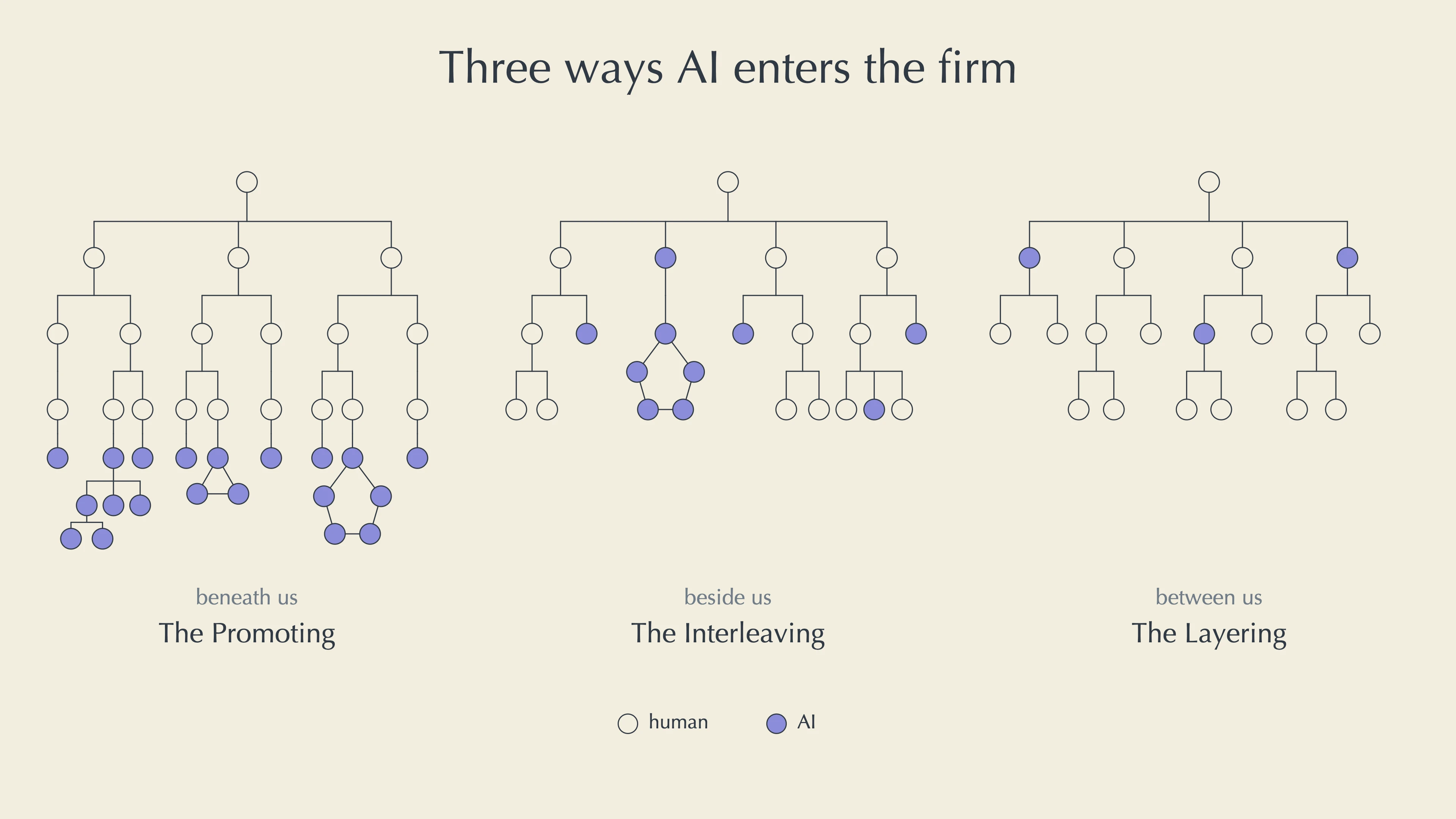
**在我们之下。**每个人都保留自己的位置,而在下方生长出一层新的 AI 劳动力地下室。我们都成为管理者。我们先得到助手,然后是幕僚长,最终是整家微型公司向我們每个人汇报。每个人都获得晋升。
**在我们身旁。**AI 作为一种同事,与人们一起加入组织架构,直接为现有的人类管理者和高管工作。它一开始承担这项任务和那个角色。随着时间推移,它履行更广泛的职能,向更高的层级汇报。
**在我们之间。**最不直观的情况:上面是人,下面也是人,AI 在中间。它协调和监督工作,执行高管的愿景,同时认可有进取心的员工所做的独特贡献。
这些情景都不会完全按照我们描述的方式发展,但我们认为三者都会以某种方式成真。三者都已经在以微妙的方式发生。
我们在这里关注的不是完全自动化,而是转型中的经济。我们感兴趣的是,随着 AI 不断进步并融入现有组织,嵌合式公司会是什么样子。
我们认为混合型公司在概念上很重要,因为 AI 的生产性采用并非一蹴而就。当模型只完成一部分任务时,由熟悉工作的基层员工来采用可能最容易。一旦模型能够端到端地执行广泛职能,高层就可以直接使用它们。在我们看来,能力更强的 AI 更容易被采用:公司必须学习技术,但劳动力会学习公司并能自我入职。
我们将剖析这三类新的组织架构,然后考察它们对繁文缛节、员工能动性、公司规模和薪酬差距的未来意味着什么。
## 晋升
我们的第一个情景似乎颠覆性最小。在这里,人们留在相同的座位上,保持相同的汇报关系,表面上做着和以前相同的工作。从今天到这个未来,人类的组织架构看起来没有变化。
差异就在我们下方。在每一位个体贡献者之下,一支新的 AI 劳动力向每个人汇报。我们的组织架构图多出了一层地下室,而我们全都成了管理者。
起初,这层地下室尚未完工。我们每人先带一两个智能体,它们算不上资深员工,更像是需要我们监督、也容易被我们宽容的 eager interns。我们的期望很低:在这里发封邮件,在那里起草份备忘录,到处回复 Slack 消息。就像初级人类员工一样,它们起步时自主权和信任都很少。
但随着模型进步,我们的智能体在更少监督下承担更多任务。它们彼此协调。可能会有经理 AI 和基层 AI、会计和律师,全都应你之命协同工作。远非手把手带实习生,你的运营最终看起来就像一家独立的小公司,有自己的组织架构图,而你是它的董事会。
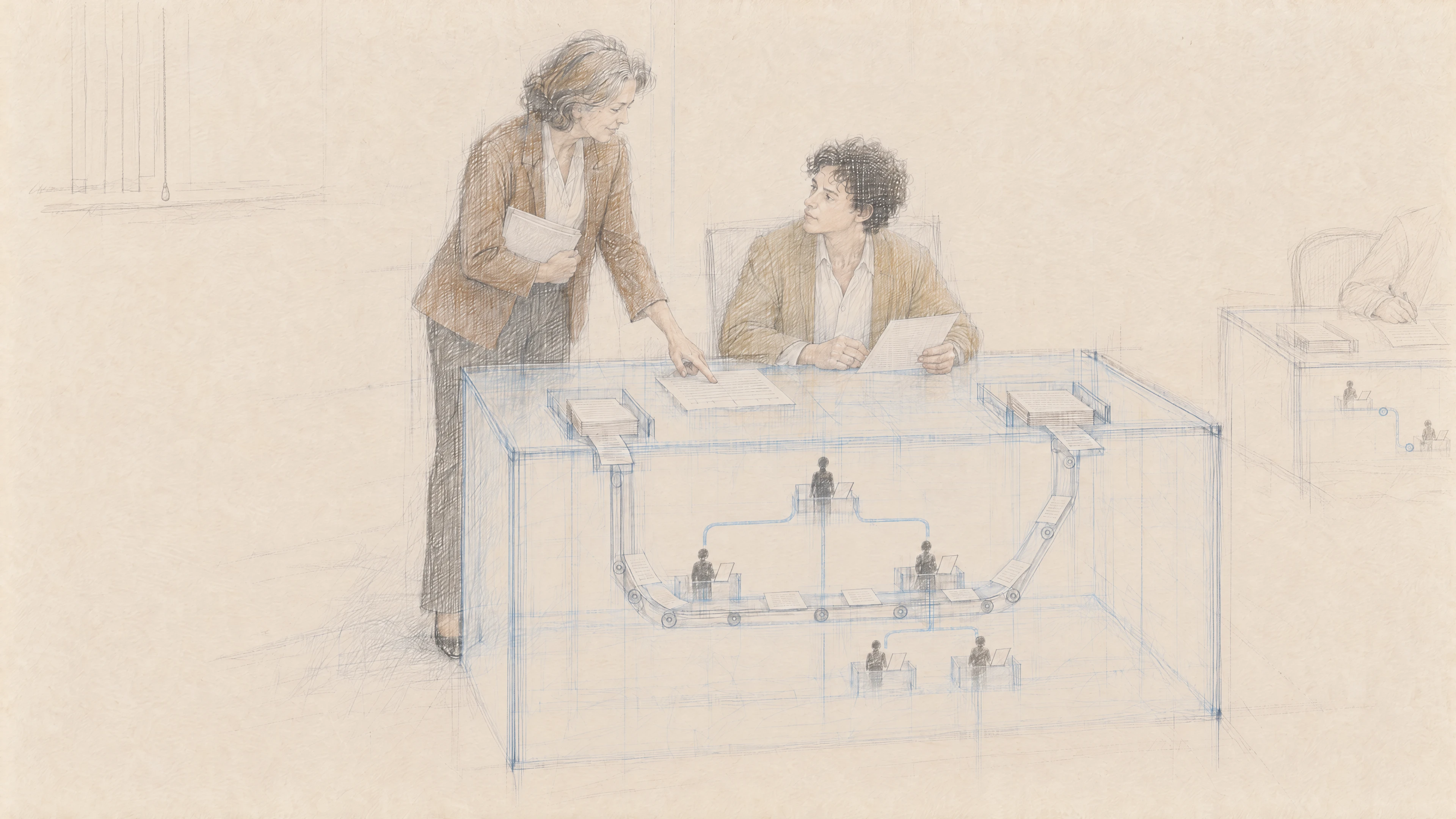
_Jace 仍在自己的公司做会计,但他不再在电子表格里点来点去。他的智能体下属做这些。Jace 的工作更像几年前他经理的工作。而他的经理,如今职责范围更大了。_
_Jace 的日常已彻底改变,现在聚焦于沟通、协调和创造力。他工作更少,却感到更有挑战。他的工作生活变化更多,他以领导力和以前无法展示的愿景脱颖而出。_
_会计团队没有缩小,因为公司其他部分的生产力也提高了,对会计的需求比以往任何时候都多。智能体还无法完成他团队做的所有事。高管们对汇总财务数据一窍不通,需要他的领域专业知识来有效使用智能体。_
### 没有裁员的自动化
注意这个场景并不意味着裁员。在这里,我们采用 AI 而不自动化我们自己。我们反而自动化_过去的自己_,并在层级中向上移动。AI 承担越来越多我们过去做的事。我们的工作得以保留,因为有更多要管理,我们对更大总量的产出承担责任。
[工作不是静态的(opens in a new window)](https://shapingwork.mit.edu/research/why-are-there-still-so-many-jobs-the-history-and-future-of-workplace-automation/)。假设 AI 能完成你以前工作的百分之九十。你可能会得出结论,只剩百分之十的工作留给你。另一种可能是,你仍在做一份全职工作,只是不同的一份——现在聚焦于一个十倍大的目标。这是技术的经典馈赠:生产力上升,雄心随之上升,[工资也能随雄心上升(opens in a new window)](https://www.nber.org/papers/w24165)。
这一切取决于我们是否仍为生产[增加价值(opens in a new window)](https://www.aeaweb.org/articles?id=10.1257/jep.33.2.3)。本文聚焦于未来几年,那时自动化尚未普遍具备能力或普遍被采用。即使 AI 能做所有事,我们可能仍会因为某样东西是人做的而更看重它,或坚持要由人来做最终决定。
这也取决于我们的需求。如果作为消费者,我们并不在意产出增加十倍,那么均衡将转向更少的工人或更少的工作时间。从历史上看,产出的增加从未让我们满足。我们拥有的[多得多(在新窗口打开)](https://ourworldindata.org/grapher/gdp-per-capita-maddison-project-database?tab=line),但工作只[少了一点点(在新窗口打开)](https://ourworldindata.org/grapher/annual-working-hours-per-worker)。如果我们的需求随着产出成倍增长而继续增长——并且我们仍然对生产具有增量贡献——我们将选择继续用劳动换取更多消费。反之,如果生产变得如此充裕以至于我们感到满足,我们可能会自愿缩减劳动力规模。

我们稍后会讨论更多反对意见(例如我们是否会拥有更多数量的小公司)。我们仍然认为这一情景很重要,因为采用必须从某处开始。企业需要一种方式,从当前的组织结构稳定演进。加强现有员工的工作,可能比彻底重组更容易作为第一步。我们在今天已经看到了这一点:一个又一个员工将工作委托给 AI,而迄今为止尚未发生组织革命。
### 为什么采用可能从底层开始
这一情景依赖于一线员工率先招聘。基层员工——而非管理者和高管——引领 AI 的采用。只要最能让 AI 完成工作的人正是过去亲自做这项工作的人,这种情况就很可能出现。
模型已经能够自动化许多数据科学任务,但一个不熟悉方法和细节的部门负责人将难以利用这些工具。在 AI 变得足够主动、能告诉你你所不知道的事情之前(见我们的下一个情景),它可能对已经熟悉工作方式的人效果最好。
### 入门级不再是最低层级
这一情景中最大的变化是针对入门级员工。将不再有最低的梯级,至少对人类而言如此。当我们雇用年轻人时,不会是为了把他们放在公司里最枯燥的底层。那些职位将由不在乎这些的东西来填补。
随之而来的是,我们失去了一些培养年轻工人的传统途径:[学徒制(在新窗口打开)](https://www.cambridge.org/highereducation/books/situated-learning/6915ABD21C8E4619F750A4D4ACA616CD#overview)、通过苦活学习、以及资历的积累。这些是真实的成本,但我们主要将其视为一种特权。最有想法的新人拥有实验的资源。公司里最古老的借口——_我们就是没有人手_——正在消亡。一个初级员工脑海中有一个很棒的视频游戏创意,却没有途径获得人手,现在可以直接把它做出来。

在我们看来,这种“晋升”情景仍然有许多东西供初级员工学习——判断力、品味、管理能力和创造性视野的肌肉。我们将有动力培养这些技能,因为它们会体现在我们的工作成果中。我们仍然会[在实践中学习(在新窗口打开)](https://academic.oup.com/restud/article-abstract/29/3/155/1539235),但处于更高的职责范围。公司资深员工仍然有动力作为负责任的管家来帮助我们(在我们的成功中拥有股权)。这里的机会是让每个梯级上的每个人都扮演更令人振奋的角色。任何员工都可以在更大的职责范围内展示自己的才华,这对那些原本毫无职责的入门员工来说最为重要。
## 交错并行
AI 进入企业的第二种方式,是穿过现有的组织架构图。在这里,智能体不是渣滓,而是同事。一位传统管理者将团队工作的一部分交给模型,就像她可能委托给任何员工一样。AI 将自己插入到人类旁边,而不仅仅是他们的下面。
与第一个场景的关键区别在于:在这里,生产性 AI 是被_现有的人类管理者_采用的,而不只是被当前的个人贡献者采用。要做到这一点,它必须足够胜任,才能成为一个完全合格的团队成员。
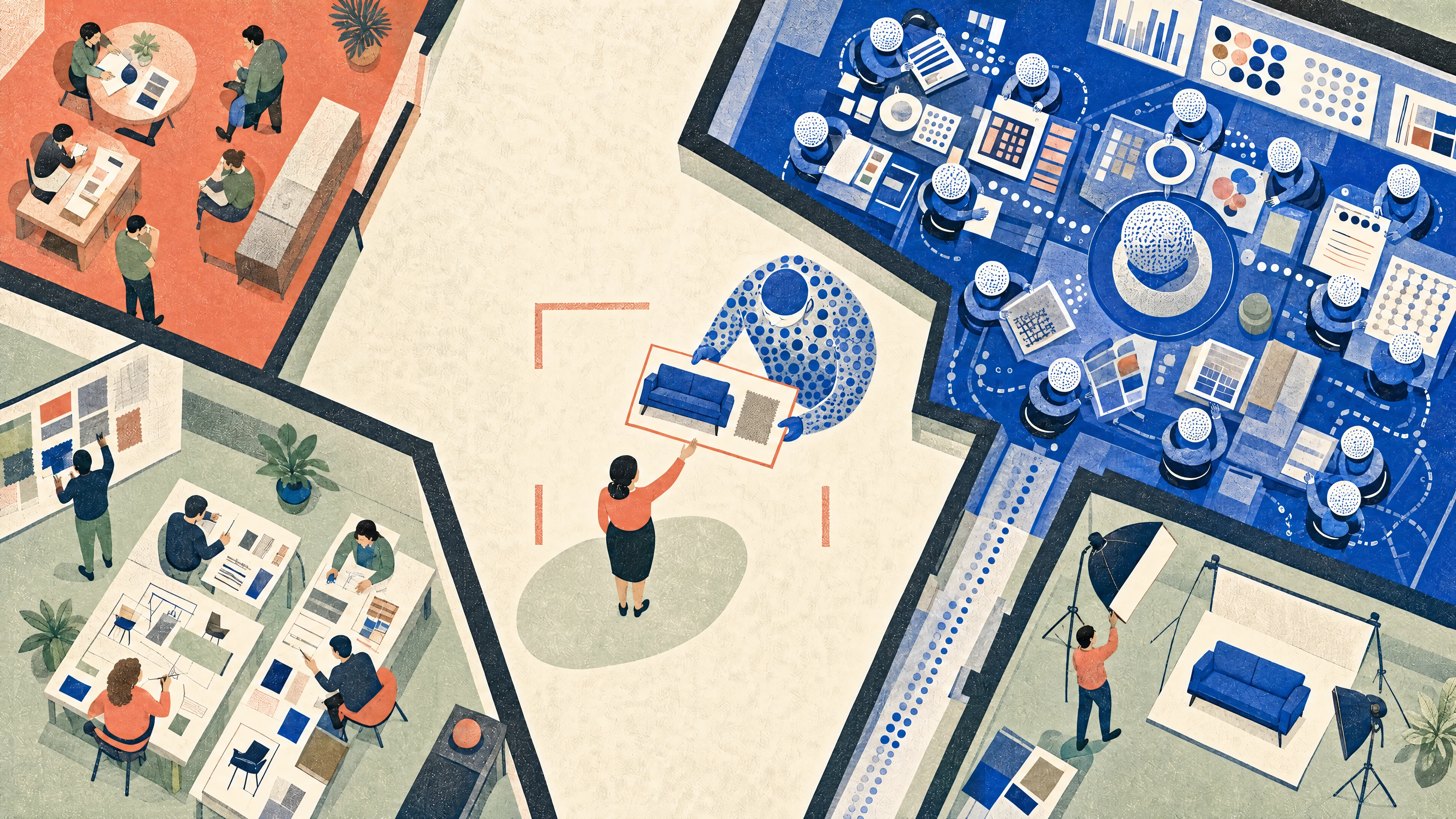
_Sheila 是一家家具公司的副总裁。她从未操盘过广告投放。她给了一个 AI 营销团队一笔预算和一款要卖的新沙发。这个团队把发布任务分配给自己的各个智能体。有的去采访销售人员。有的去和工厂协调他们实际能交付什么。一个子智能体发起了一项在线调查,另外几个则制作了不同视觉风格的原型。_
_草稿和修改在他们之间流转,从不经过她的办公桌。她的人类销售和设计团队仍然向她汇报,与营销智能体团队并列。周一,她收到一份待批准的营销方案,以及一个问题:这些照片是不是让沙发显得太蓝了。若不是有一位广告专家主动指出,她根本不会意识到这种细节。她授权这些智能体与人类摄影师协调重拍。_
### 范围的自动扶梯
人类是通才。一把锤子只对一项任务有帮助;而人类能做的事多得多。AI 从工具走向劳动力的旅程,是一条不断拓宽的边界:先自动化任务,再自动化岗位,然后是团队,最后是整个公司。范围每上一个台阶,都需要更广泛的能力。
一个岗位是一只装满许多任务的手提箱。对于一个完整的团队来说,这只手提箱里塞满了各种各样不同的工作。职责范围内的任务越多,潜在的瓶颈就越多。如果团队中哪怕一项关键任务涉及体力劳动,就需要一整套全新的外围设备。要成为整个团队的即插即用替代品,AI 必须能够胜任其所有各种职责。
能处理更大范围的 AI 更难构建。但对公司而言——而这是整个转型的核心不对称之处——_更大的范围反而更容易采用_。
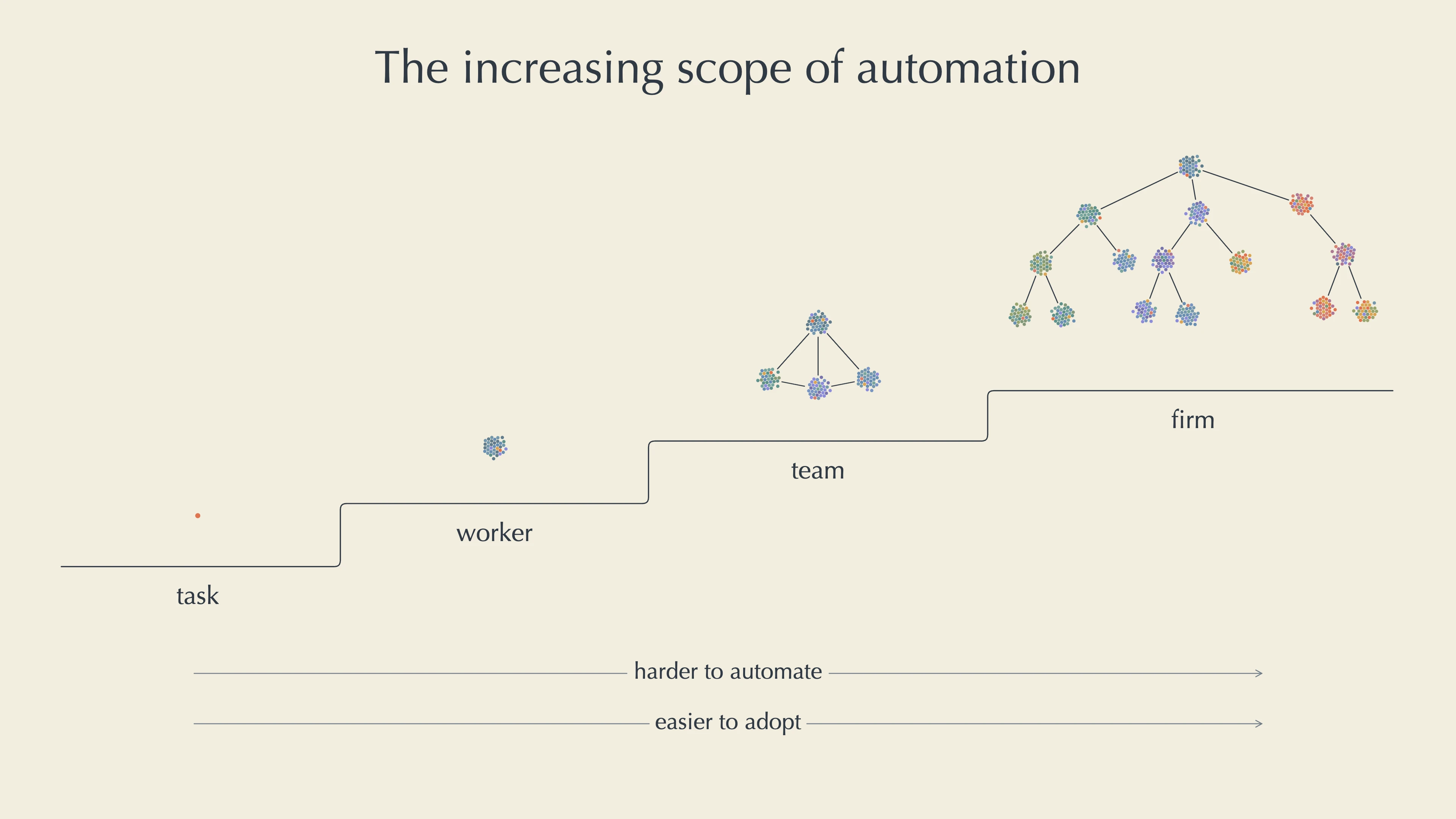
端到端自动化的团队或广泛职能可以直接被高管采用。能力范围较窄的工具则无法如此简单地从高层推行。较简单的工具依赖于全员的广泛认同和再培训。
### 公司学习技术;劳动力学习公司
传统上,新技术让完成一组限定任务变得更便宜。然后负担转移到了买方身上。公司必须弄清楚如何利用新工具,并且必须围绕它[再培训、重组和重建流程(在新窗口中打开)](https://www.researchgate.net/publication/4724731_The_Dynamo_and_the_Computer_An_Historical_Perspective_On_the_Modern_Productivity_Paradox)。电子表格软件并没有自己安装进会计部门——是会计部门围绕软件重塑了自己。
劳动力则相反。一个实习生、一名员工、一个优秀的团队会想办法对_你_有用。他们会询问你、吸收你的背景信息、察觉你的需求。他们会告诉你一些你甚至没意识到自己不知道的事。最好的劳动力会自我入职。
从这个意义上说,AI 越像劳动力,越具有主动性和适应性,公司就越不需要学习如何驾驭它,而它就越会想办法对公司有用。一位高管大概不会坐下来听一堂设计软件入门课来学习新工具。但他会很乐意接受这样一个提议:_你说一声,我就把你的整个营销职能搭起来_。

### 这不是一个独狼经济
很多时候,我们把AGI的圣杯定义为实现工作自动化。诚然,我们甚至还没有达到那一步。工作之所以极其复杂,是因为我们人类的能力令人惊叹。即便如此,我们经济产出中[极少的一部分(在新窗口打开)](https://www.census.gov/fedcasic/fc2021/pdf/4A_Noon.pdf#page=3)来自单打独斗的劳动者。有生产力的工作贡献于团队,团队贡献于企业,而企业生产了我们消费的几乎所有东西。
AGI的“工作”标准对人类不够公平。劳动不仅仅是任务,甚至不仅仅是处理非例行性的部分:我们的劳动还关乎巨大的_协调_能力,关乎我们作为更大产出中一小部分的适应力。把我们仅仅当作一袋袋任务的集合来出售,是贱卖。人类的能力更多体现在[我们的组织(在新窗口打开)](https://www.aeaweb.org/articles?id=10.1257/jep.5.2.25)中,而非个体身上。一个经济意义上的AGI必须达到_人们_的标准,而非_个人_的标准。
因此,如果AI仍然只是工具式的、甚至只是员工式的,而非团队式或企业式的,那么“交错”场景可能相当低效。在每个员工旁边楔入一个模型,意味着[一千个接缝和交接(在新窗口打开)](https://academic.oup.com/qje/article-abstract/107/4/1137/1846913)。这种零散的设置可能会拖慢采用速度。
我们看到一场竞赛:较早的、能力较弱的实现与较晚的、能力更强的模型之间的竞赛。胜负取决于未来模型的采用速度是否足够快,快到足以抵消达到这些能力所需的额外时间。

### 目前为止的两种场景
这种“交错”场景可以与第一种“晋升”场景共存。我们可能会看到企业随着AI自动化某些职能而缩减人力规模,而剩余的人类则在其智能体劳动力的辅助下获得更广泛的授权。重要的是,这一场景本身并不意味着整体人类就业减少。我们可能会发现自己拥有更多企业,每家企业的员工人数更少。
## 分层
我们的第三种场景最为令人困惑。在这里,AI进入企业是在人_之上_。层级不再是人在机器之上,而是人、AI、人:一个自动化三明治。一些人“汇报”给AI。
这听起来很牵强,尤其是作为企业采用的起点。但我们认为,以不那么激进的方式,这已经开始发生了。

_Asha,首席执行官,收到她的AI顾问的提醒,称即将到来的发布存在问题。它已经调查了该问题,发现销售承诺了一项工程团队并未在构建的功能。证据是从Slack的普通工作线程中提取的;没有人给她写过报告,甚至没有人意识到团队之间的沟通失误。_
_AI顾问建议她推迟发布并重新分配三名工程师。它还注意到,远程办公的工程师Sarah已经为该项目构建了一些有用的基础设施,尽管没有人要求她这样做。顾问确保Sarah的主动贡献得到认可并传达给Asha。Asha打电话给Sarah,感谢她超出职责范围的付出,并通过指定她为新工作的工程负责人来表扬她。_
### 梯子可能从顶端烧起
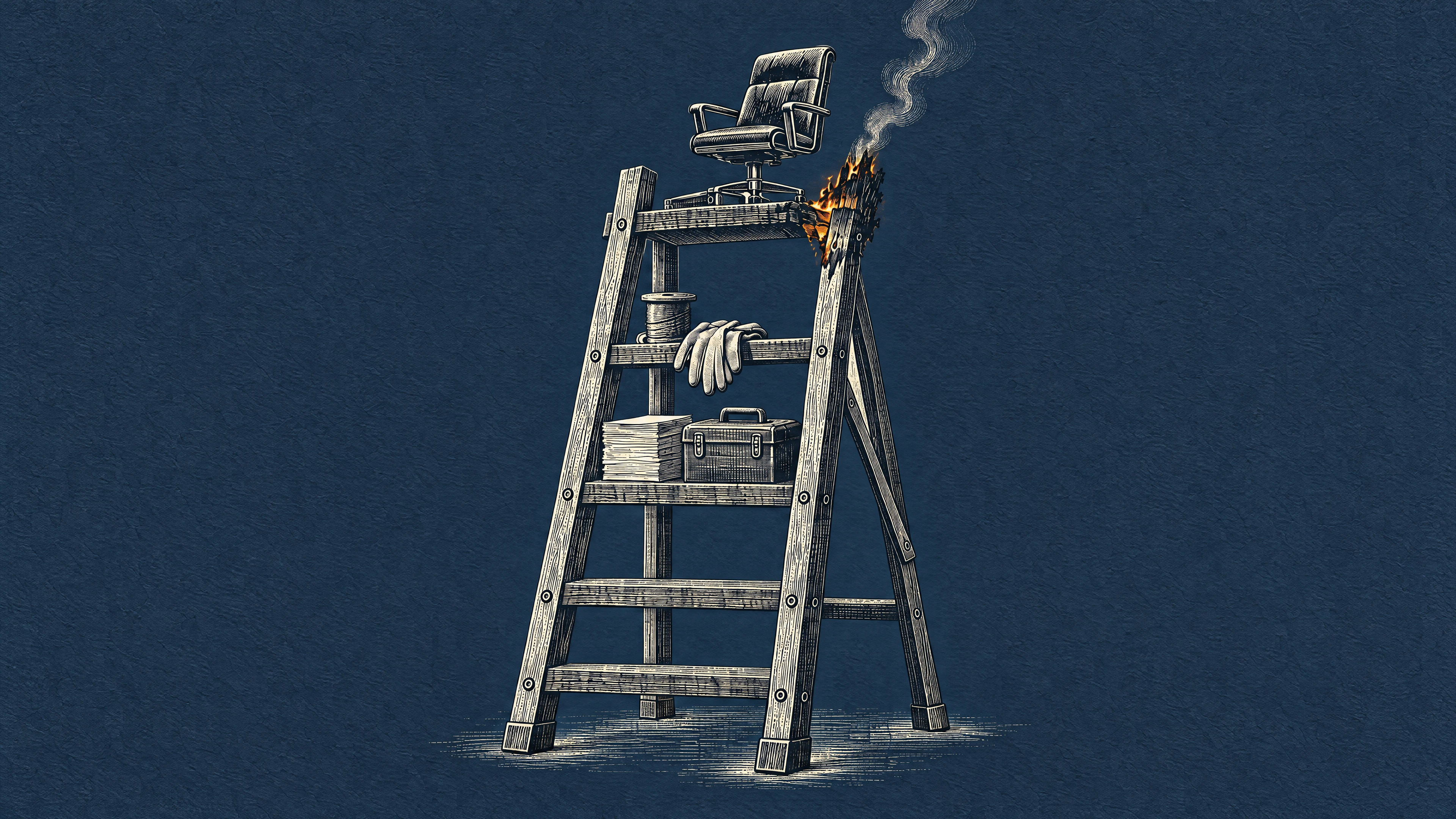
即使我们把AI视为认知劳动的机械化者,我们往往关注的是较低的层级。我们通常说AI自动化电子表格和幻灯片,而不是管理。我们的直觉是自动化沿着层级向上攀升:认知苦力活最先,判断力最后,而管理者是最后的堡垒。
但管理者的工作在很大程度上存在于电脑和头脑中:阅读、开会、权衡、掌握上下文、做决策。亲临现场、巡视办公楼层、身处团队之中是有价值的。然而,即便是以认知工作为主,与原子和工具纠缠更多的仍是基层工作,而非管理工作。被派去复印机的是实习生,而不是他的老板。
管理决策很难教给模型,因为成功是模糊的,而且要在很长的时间跨度上衡量。培养优秀的人类管理者之所以困难,也是出于[类似的原因(在新窗口打开)](https://www.mckinsey.com/capabilities/strategy-and-corporate-finance/our-insights/strategic-decisions-when-can-you-trust-your-gut)。我们尚不清楚这些模型在管理方面有多擅长。我们针对以执行为核心的认知劳动有大量评估,但很少有评估能涵盖管理者和高管层面的大规模统筹协调。
仍然值得考虑的是,当今的模型在能力上可能实际上比基层工作者_更接近_人类管理者。某些管理职能可能会在其所监管的工作之前被自动化。
### 无处不在、全天候的顾问
也许这种“分层”情景的完整版本,是一个做思考的 AI,然后用向其汇报的人类承包商来填补自身的能力缺口。那个世界对我们来说似乎相当陌生。很多东西都需要改变。
但有一种更自然的化身,它的序幕已经上演:_顾问_。如今,一位高管可以让 ChatGPT 阅读她公司数百个 Slack 频道、文档、函件和代码文件,然后回答问题。这个团队到底在做什么?那个漏洞出现在哪里?组织的每个部分对她来说都[越来越可解析(在新窗口打开)](https://shoshanazuboff.com/book/books/in-the-age-of-the-smart-machine/)。
高管们长期以来一直在组织架构图中穿插雇佣兵式的中介——他们称之为咨询。管理咨询公司会短暂而昂贵地为你叠加一层。今后,AI 顾问可能便宜到几乎为零,且无处不在。
模型才刚刚开始可靠地解析公司文档和通信。它们的品味和主动性必须成熟起来。目前,ChatGPT 帮助有动力的高管更详细地了解她的组织。我们认为它最终会成为一种全方位服务的咨询机构。它不会成为低层员工的真正“管理者”,而是高管的内部通讯员和顾问。它将利用商业专业知识扫描一切,主动揭示痛点并帮助分诊。
这是有益还是有害,将取决于高管本人。其结构性效应是_集中化_。我们认为这会缩短最高管理层与公司主体之间的距离。它把更多权力赋予顶层,而过去信息摩擦有利于更分散的决策。
我们认为这一情景意义深远,不仅在于它如何转移权力,还在于 AI 作为咨询顾问多么容易被采用。与传统咨询一样,AI 咨询不需要高管具备技术敏锐度。这不是那种由会打字、会用终端的人从底层开始采用的计算机。你只需与你的顾问交谈,它就会处理技术诀窍。这波采用浪潮可以从高管办公室开始。反过来,咨询机构可以加速 AI 在整个组织其余部分的采用。
### 不断演变的雇佣契约
企业不信任远程办公和外包的一个主要原因十分突出:可执行性。企业从来没有低成本的方式去观察工作本身的丰富内涵。于是它们[衡量工作的表面表演(在新窗口打开)](https://web.stanford.edu/~milgrom/publishedarticles/Multitask%20Principal%20Agent.pdf),统计点击次数、鼠标晃动、绿色状态点,这些信号与是否真的在产出好工作毫无关系。
AI提供了一种能够_理解_的监控。它可以观察一个人产出的东西,并识别出朝向更大目标的真实进展。正如我们在下一节所探讨的,任何新的监控都不能[轻率实施(在新窗口打开)](https://www.hbs.edu/ris/Publication%20Files/Bernstein_TransparencyParadox_ASQ_June2012_cdaaee20-3a45-4a07-8867-9761a5d4b5e8.pdf)。但在合适的情况下,它可以增进信任,并鼓励企业给予员工更多自由。
如果监控能够理解通往良好工作成果的诸多不同路径,员工就能更多地按照自己想要的方式工作。朝向好结果的进展将更重要,而不是老板容易追踪的某种规定方法。智能监控带来灵活性,并惩罚我们所有人都厌恶的表演式生产力。
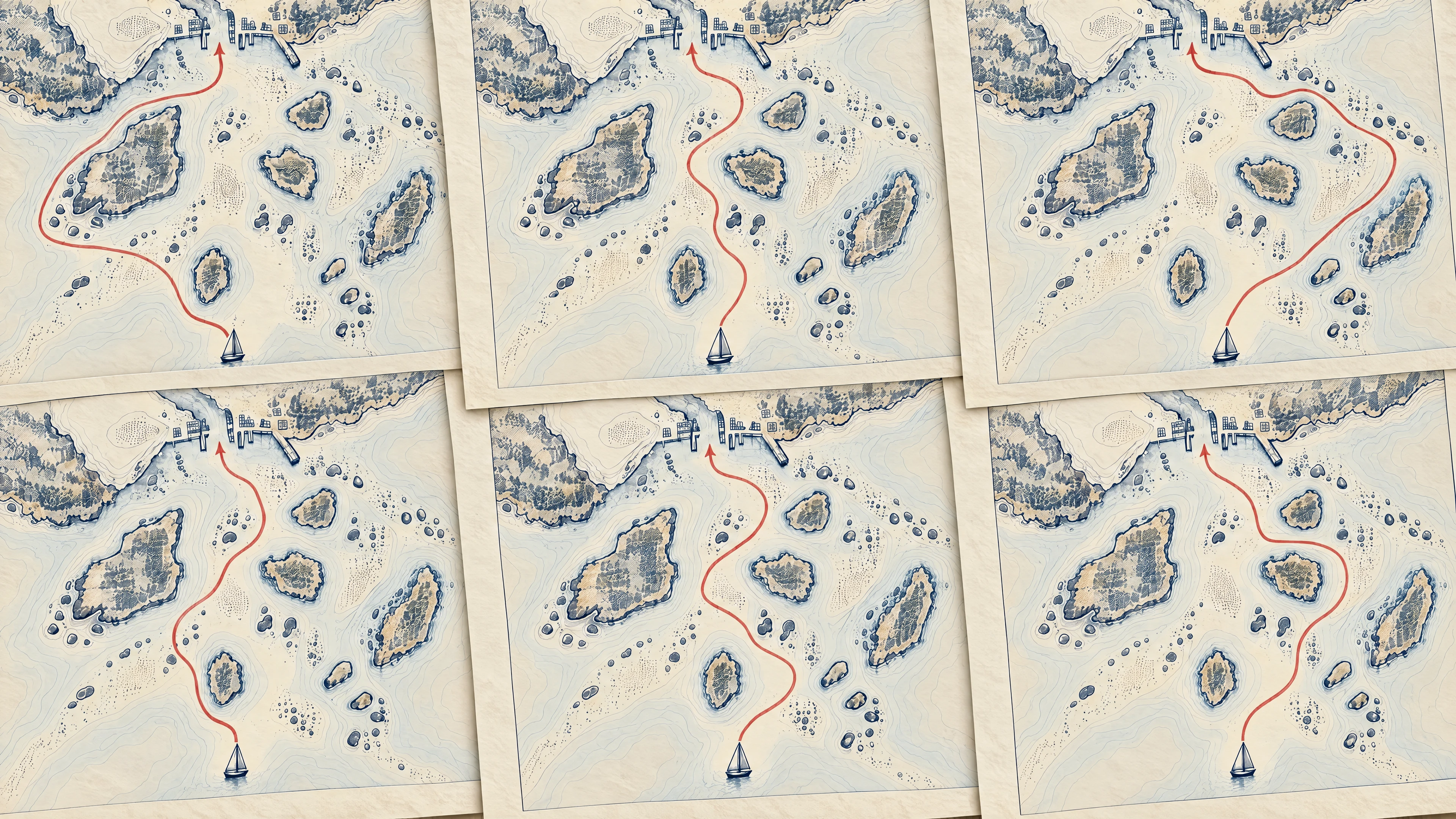
这里的价值主张类似于保险公司:如果你在车里安装追踪器,它们就降低你的费率。如果你试图钻系统空子,这会损害你;如果你只是在做自己的工作,监控可以证明你的清白,管理层也会更信任你。
这种信任具有生成性。我们可能会看到,那些此前不愿接受混合办公、不愿接纳非正统思维、不愿使用外包、不愿在遥远国家聘用杰出人才的企业,[展现出新的意愿(在新窗口打开)](https://pubsonline.informs.org/doi/10.1287/isre.2021.0146)。
如今,基层员工对组织架构有许多不满。亲眼看到问题却无法沿层级向上反映,这极其令人沮丧。被困在无能的经理手下,或者做了出色的工作却得不到认可,这都是不公平的待遇。
我们认为上一波商业超优化建立在有限的数据、粗略的准则和愚蠢的算法之上。如果你能处理的只有齿轮比,那么每个人看起来都像一个齿轮。企业长期以来对其劳动力存在衡量问题。智能监控可以识别当今粗糙指标所遗漏的有价值贡献和独特方法。
## 四个大问题
从三个风格化场景中汲取素材,我们现在探讨关于企业未来的一些决定性问题。
### 企业的繁文缛节会更多还是更少?
构建通常相当昂贵。一个应用、一部电影、一份演示文稿、一个功能、一份分析:这些都成本高昂、速度缓慢,而且重做起来令人痛苦。当你实际上只有一次机会时,你会投资于瞄准。规划周期、路线图仪式和签核委员会,都是为确保当企业最终说“开始”时,它朝着值得做的事情前进。我们层级中的许多检查之所以存在,是因为执行曾经很珍贵。
在许多领域,AI正在压低构建的成本——至少低到原型制作的水平,甚至可能低到最终完成。我们认为企业的方法也应随之转变:少瞄准,多开火。企业可以构建原型、观察、快速学习、重新调整方向,然后再构建一次。[轻松制作原型(在新窗口打开)](https://pubsonline.informs.org/doi/10.1287/mnsc.44.6.743)应促使企业远离那些支撑规划密集型生产的制度。
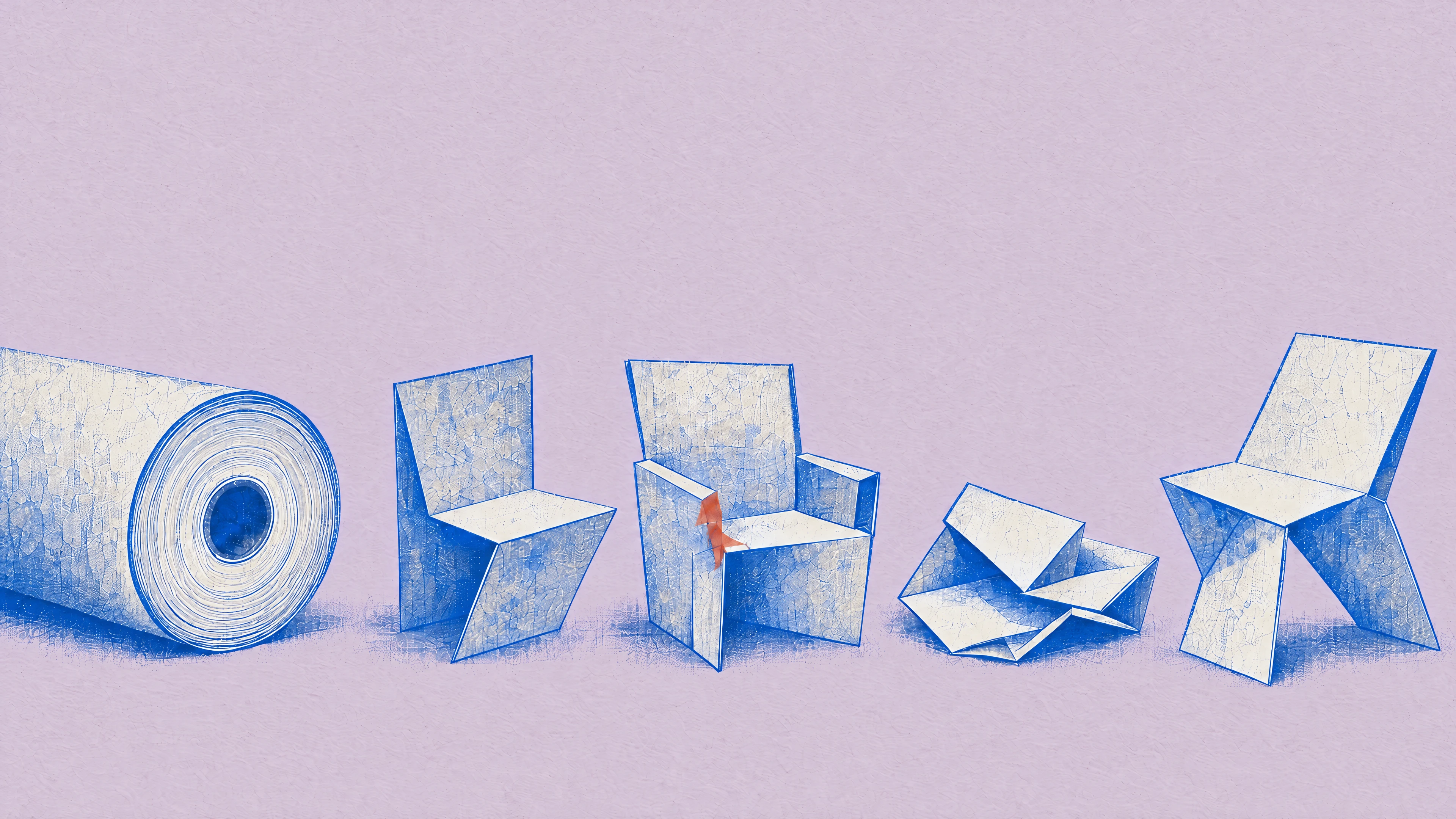
最简单的版本是团队迭代得更快。在更激进的理解中,团队本身都受到质疑。如果协作规划变得不那么重要,而不相关的多元想法变得更重要,那么是拥有一个快速迭代的单一团队更好,还是让许多个人各自提出自己的工作原型更好?如果一个真实原型比任何范围界定文档都能更好地传达愿景,我们的沟通规范会改变吗:更早、更多地分享,分享工件而不是备忘录?
廉价的构建可能使公司倾向于个人。这将意味着更少的中层管理层级和更少的请求许可,因为过去请求比行动更便宜,而现在不是了。
话虽如此,正如我们接下来讨论的,赋予个人以更低风险进行原型设计的同一技术,也可以强制执行更多的繁文缛节。
### 员工将拥有更多还是更少的自主权?
公司实行自上而下管理的一个主要原因是,他们认为高管比初级员工做出更好的[与业务相关的决策(在新窗口中打开)](https://www.journals.uchicago.edu/doi/10.1086/317671)。公司为高层的高能力资深人士支付更多薪酬,管理者通常接受商业战略培训,而个人贡献者则专注于自己的专业领域。如果AI为所有员工提供出色的建议,决策质量的差距就会缩小。管理者干预的理由就会减少。这将增加员工的自主权,并可能减少管理层级。
同样,“AI顾问”确保在没有高管被提醒的情况下不会发生任何过于重大的事情。如果一名员工即将发布一篇对公司有严重影响的博客文章,顾问会主动向高管标记。这带来了信任:管理层不必担心在他们不知情的情况下发生重大失误,因此他们不必对员工的工作方式保持如此[严格的管控(在新窗口中打开)](https://www.journals.uchicago.edu/doi/10.1086/262063)。
但AI顾问是一把[双刃剑(在新窗口中打开)](https://dash.harvard.edu/entities/publication/73120379-20eb-6bd4-e053-0100007fdf3b)。它可以作为一种智能监控器向员工灌输更多信任;它也可以在整个组织中更有力地强制执行CEO偏好的做事方式。公司重视[一致性(在新窗口中打开)](https://www.journals.uchicago.edu/doi/10.1086/508031):不仅是一个好的决策,而且是一个与公司文化、品牌和规模经济相兼容的决策。一家连锁餐厅可能更倾向于在其加盟店中采用统一的菜单,以便食材可以批量订购,顾客可以期待一致的产品。
与此相关的是,公司老板的激励并不总是与员工一致。员工优化其[所在领域的成功(在新窗口中打开)](https://www.aeaweb.org/articles?id=10.1257/aer.98.1.145),而高管关心的是公司整体。股权所有者与工薪阶层的偏好不同,因为他们[收获(在新窗口中打开)](https://ucema.edu.ar/~je49/organizacion/Fama_Jensen.pdf)更努力工作的回报。顾问可以强制执行对高层规定的特定方案的更严格遵守。
我们的观点是,净而言,员工将获得自主权。我们的乐观基于公司使用AI来标记重大例外,同时将更多决策留给员工。
我们相信,AI将充当一种脚手架——即便高管希望维持一致的品牌形象,这也只是其运营时必须遵循的一项约束。员工能更好地意识到实际存在的商业约束,也更有保障地在这些限制之外发挥创造力。有了这些基础保障,高管就可以让员工尝试可能带来丰厚收益的新方法。在我们下方有AI助手辅助,员工也将负责更重要的产出。当我们驾驭更复杂的工作时,我们看到了更多创造力的机会。

### 公司会缩小还是扩大?
关于员工自主性的同一逻辑也适用于公司规模。[罗纳德·科斯(在新窗口中打开)](https://onlinelibrary.wiley.com/doi/10.1111/j.1468-0335.1937.tb00002.x)曾提出,为什么我们在公司内部组织生产,而不是通过一张合同网络来组织。甚至一架飞机也可以完全通过点对点合同来建造,但那样会非常低效。公司能够汇聚规模经济、对齐激励、组织大型项目,并免去不断讨价还价的需要。
通过降低沟通成本,AI可能使公司规模更大或更小都变得合理。古典公司是向上传递信息和向下传达指令的基础设施,充满摩擦和传话游戏。如果AI充当协调层,规模更大的公司(拥有更多人类员工)就不那么笨重。借助“AI咨询”,一位高管可以像创始人了解一家二十人初创公司那样了解自己的公司。她可以观察一项举措的实施,而不是等待季度汇报,并且一旦发生任何事情都会收到通知。她的愿景可以更广泛地渗透。每个人都更清楚其他人在做什么,以及组织的整体优先事项。
也可能反过来。如果沟通无摩擦、合规更可监控,公司就不必把那么多供应链内部化。公司可以更好地信任外部供应商和承包商。
纵向整合的一个主要动机是对齐激励。这里有[不完全合同(在新窗口中打开)](https://www.journals.uchicago.edu/doi/10.1086/261404)的概念——一家航空航天公司可以与一家喷气发动机公司签订合同,但对于合同中未明确要求的一切,喷气发动机公司都有动机偷工减料并只顾自己的利润。为避免这种情况,航空航天公司收购了喷气发动机公司。就像员工和老板一样:如果合同更可监控,并且由智能方式而非逐项打勾来仲裁,公司可能更愿意依赖其他公司。把所有事情都放在内部做的理由会更少。
我们预计会看到许多规模更小的公司,但也会看到庞大的AI“控股公司”,其中大量不同项目在一家企业内部进行。当所有不同项目都利用某种_共同资产_时,企业集团就是经济的。这种共同资产可以是算力,尽管算力可以很容易地按临时小批量配置。共同工厂或机器人车队是更好的动机。
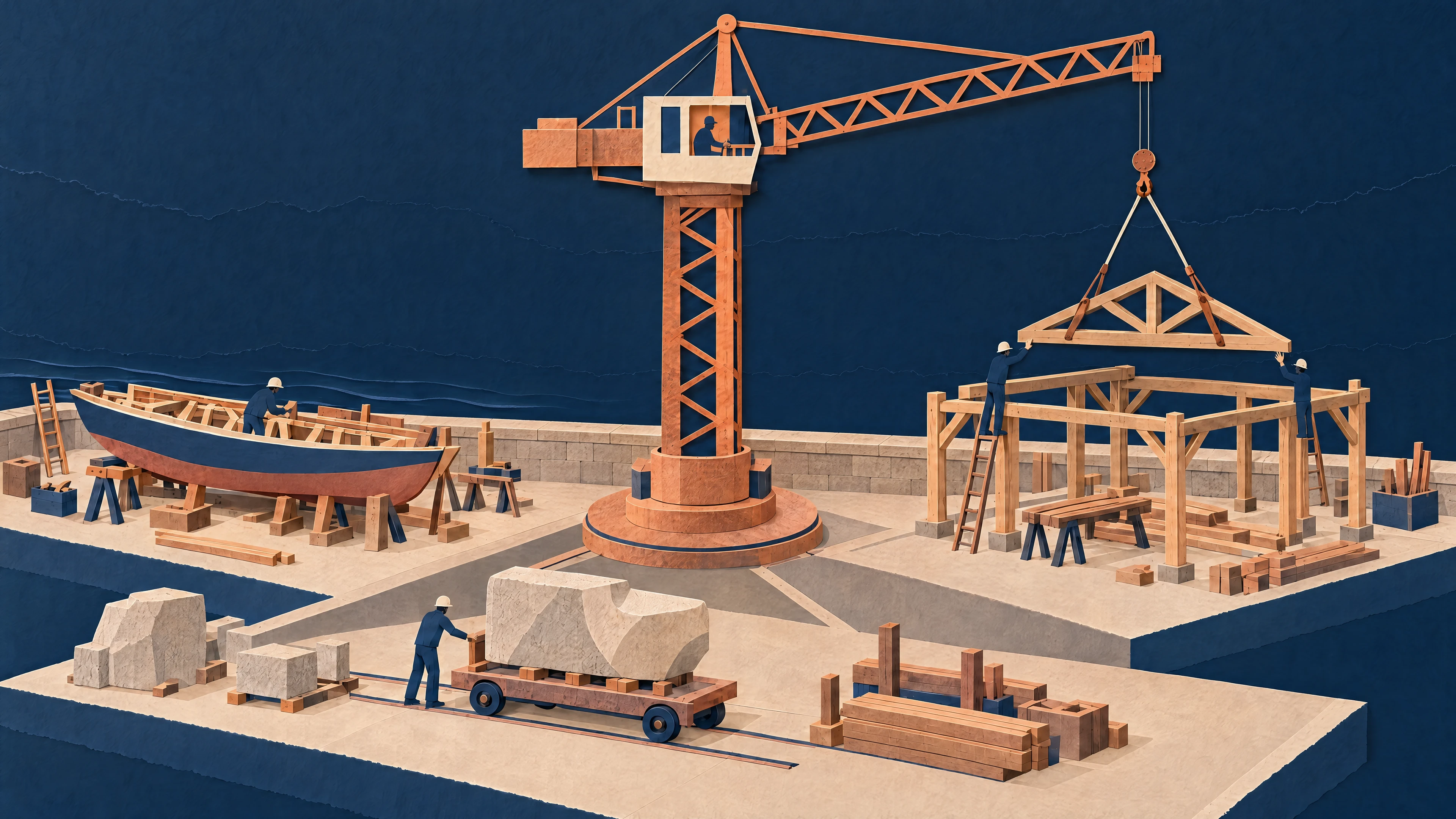
大型“控股公司”也可以由_对齐的激励_来证明其合理性。如果一个由AI和资本组成的大型组织完全致力于一项共同使命——比如治愈癌症——那么单独的小型举措的必要性就更低。一家AI公司可以避免权力斗争,共享所有信息,并在需要时在其代理之间_实例化_创造性多样性,从而探索不同路径。
### 薪酬差距会扩大还是缩小?
如今的体系本应奖励表现突出的员工。他们逐级晋升,并获得更好的报酬。但在一个拥有卓越模型顾问的世界里,员工将如何脱颖而出?
如果 AI 给每个人同样出色的想法,我们区分彼此的机会就更少了。薪酬差距应当收窄。
对抗这种收窄的力量是判断力、品味和掌控范围。如果我们每个人都领导着下属的 AI 公司,那么剩余的人类价值就是我们的决策。如果每个人都负责其下属更大规模的工作,那么良好判断与糟糕判断之间的差异就会[更加响亮地显现出来(在新窗口中打开)](https://www.jstor.org/stable/3003456)。
我们长期以来一直将这一逻辑应用于组织架构的顶层。我们用这一理念来为[CEO 薪酬(在新窗口中打开)](https://www.nber.org/papers/w3542)辩护:顶层稍微好一点的决策可能对利润产生巨大影响。如果一些员工能更好地管理其下属的 AI 公司以部署稀缺资源,薪酬不平等可能会加剧。
利害关系越大,你相对于他人的微小优势就越会体现在你的薪水中。另一方面,AI 会给每个人提供好的建议。差异化减少会压缩薪酬分布。
在这里和其他地方,主导力量或许将取决于我们主要是在提供判断,还是在遵循判断。
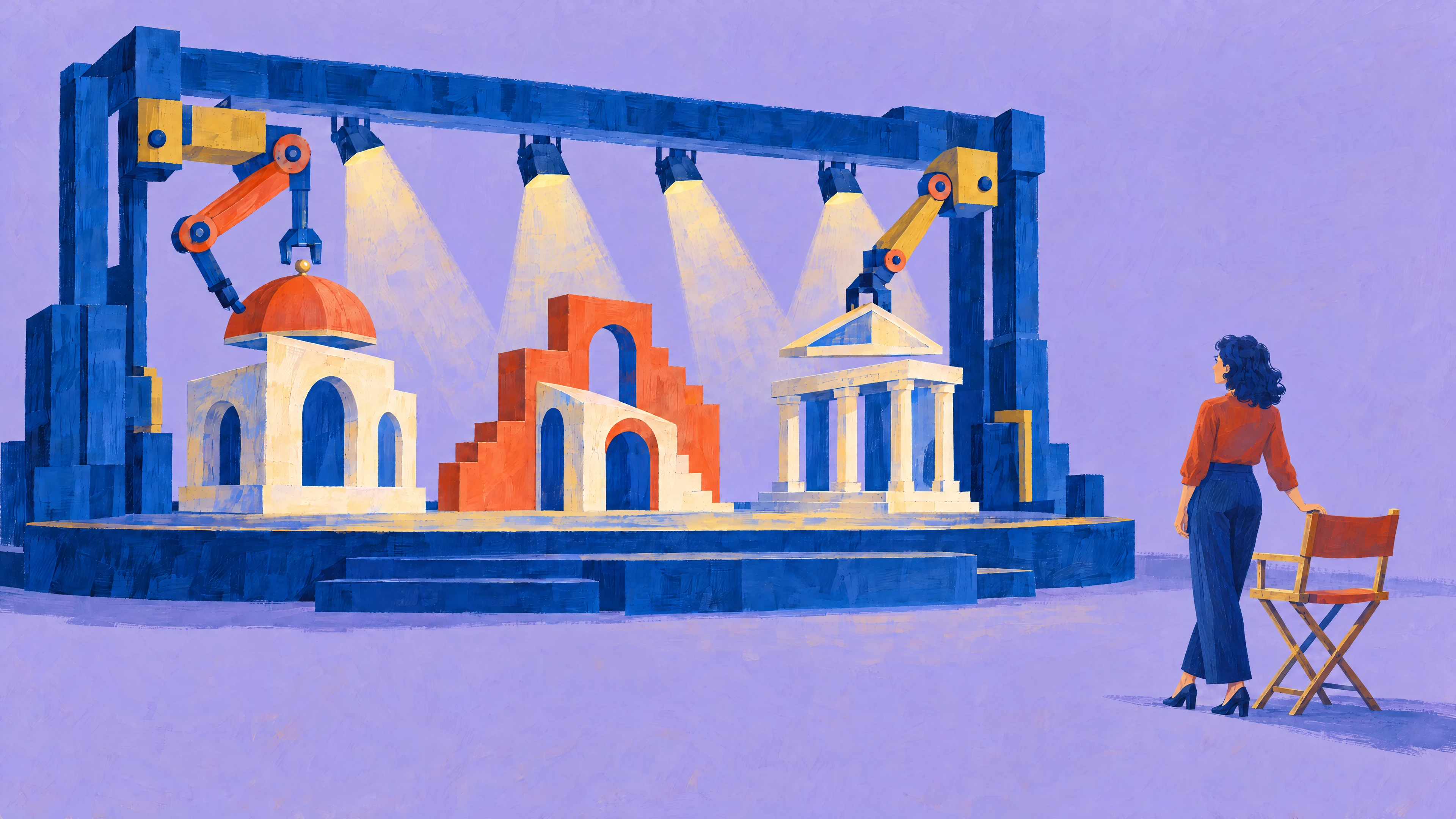
- 2026
- 下一个经济
## 作者
Hemanth Asirvatham、Elliott Mokski
## 正文 · 原文
## The future of the firm
How AI might enter the org chart—beneath, beside, and between us.
By Hemanth Asirvatham and Elliott Mokski

Listen to article 28:52
[Audio 1](https://openai.com/index/the-future-of-the-firm)
Share
_**Authors’ note:**_ _This is the second essay in our series on the next economy, part of a_[_new platform_](https://openai.com/news/intelligence-age/)_to host independent voices exploring an AGI future. It reflects our views, not those of OpenAI or our colleagues._
* * *
The two of us were twenty-four when we started managing our own teams here at OpenAI. That is less impressive once you meet our teams.
We’re supposed to be grunts. At twenty-four, you’re at the bottom of the corporate ladder. You take the meeting notes and write a few memos. After years of drudgerous work, you are (hopefully) granted a broader remit.
Our path—and the path of many young people today—is looking different. We enter the workforce already with “employees” at our behest. These deputies work day and night, weekends and holidays. They are great at the grunt work. We even have math olympiad gold medalists on staff to advise us. Our new reports still make their share of mistakes. But they are getting better, learning our needs, and we are learning how to manage them.
Neither of us climbed the corporate ladder. Management has instead come down to our rung. This essay is about our promotion, and the other ways firms might reorganize as we enter the intelligence age.
When AI enters the firm, where does it go? We present three illustrative scenarios:

**Beneath us.** Everyone keeps their seat, and a new basement of AI labor grows underneath. We all become managers. First we get assistants, then chiefs of staff, and eventually entire miniature firms reporting up to each of us. Every person gets a promotion.
**Beside us.** AI joins the org chart alongside people as a colleague of sorts, working directly for existing human managers and executives. It starts out by taking up this task and that role. In time, it performs broader functions, reporting higher up the flagpole.
**Between us.** The most unintuitive case: humans above and humans below, with AI in between. It coordinates and monitors work, enforcing an executive’s vision while recognizing unique contributions from enterprising workers.
None of these scenarios will play out exactly as we describe, but we think aspects of all three will come true. All three are already happening in subtle ways.
Our focus here isn’t total automation but a transitioning economy. We are interested in what chimeric firms will look like as AI improves and laces itself into existing organizations.
We believe the hybrid firm is conceptually important because productive adoption of AI isn’t instantaneous. When the models only do a subset of tasks, adoption may be easiest by ground-level employees familiar with the work. Once the models perform broad functions end-to-end, higher-ups can use them directly. In our view, more capable AI is more adoptable: firms must learn technologies, but labor learns the firm and can onboard itself.
We’ll dissect the three new classes of org chart, then examine what they mean for the future of red tape, worker agency, firm size, and pay disparity.
## The Promoting
Our first scenario seems least disruptive. Here, people stay in the same seats with the same reporting lines, ostensibly doing the same jobs as before. The human org chart looks unchanged between today and this future.
The difference is below us. Beneath each individual contributor, a new AI labor force reports up to each of us. Our org chart gets a basement, and we all become managers.
At first, this basement is unfinished. We start with one or two agents apiece, less as seasoned employees, more as eager interns we must supervise and readily forgive. Our expectations are low: send an email here, draft a memo there, reply to Slack messages everywhere. Like junior human employees, they begin with little autonomy and trust.
But as models improve, our agents take on more tasks with less supervision. They coordinate with each other. There might be manager AIs and grunt AIs, accountants and lawyers, all working together at your behest. Far from handholding an intern, your operation eventually looks like a small firm in its own right, with its own org chart and you as its board of directors.

_Jace still does the accounting at his firm, but he’s no longer clicking around the spreadsheets. His agent underlings do that. Jace’s job is more like his manager’s from a few years ago. His manager, in turn, now has an even bigger remit._
_Jace’s day-to-day has completely changed, now focused on communication, coordination, and creativity. He works less and feels more challenged. His work life has more variance, and he distinguishes himself with leadership skills and a vision he couldn’t showcase before._
_The accounting team hasn’t shrunk because the rest of the company has grown more productive too and demands more accounting than ever before. The agents can’t yet do everything his team does. The execs wouldn’t know the first thing about assembling financial data and need his domain expertise to use the agents effectively._
### Automation without pink slips
Notice how this scenario doesn’t imply layoffs. Here we adopt AI without automating ourselves. We instead automate _our past selves_, and we move up in the hierarchy. AI takes on more and more of what we used to do. Our jobs remain because there is more to manage, and we gain responsibility for a greater sum of output.
[Jobs aren’t static(opens in a new window)](https://shapingwork.mit.edu/research/why-are-there-still-so-many-jobs-the-history-and-future-of-workplace-automation/). Suppose that AI can do ninety percent of what you did before. You might conclude you’re left with only ten percent of the work. The other possibility is that you’re still doing a full job, just a different one—now focused on an objective ten times larger. That is the classic gift of technology: productivity rises, ambition rises to meet it, and [wages can rise(opens in a new window)](https://www.nber.org/papers/w24165) with the ambition.
This all depends on whether we still [add value(opens in a new window)](https://www.aeaweb.org/articles?id=10.1257/jep.33.2.3) to production. This essay focuses on the coming years where automation isn’t universally capable or adopted. Even if AI could do it all, we might still value something more because a person made it, or insist that a person have the final say.
It also depends on our appetite. If, as consumers, we don’t care for ten times more output, the equilibrium will shift toward fewer workers or fewer hours worked. Historically, increases in output have not satiated us. We have a [lot more(opens in a new window)](https://ourworldindata.org/grapher/gdp-per-capita-maddison-project-database?tab=line) but work only a [little less(opens in a new window)](https://ourworldindata.org/grapher/annual-working-hours-per-worker). Should our appetite continue to grow as output multiplies—and we remain additive to production—we will choose to keep trading our labor for more consumption. If instead production becomes so abundant that we are satiated, we might volunteer a smaller labor force.

There are more objections we discuss later (e.g. whether we’ll have a larger number of smaller firms). We still think this scenario is important because adoption has to start somewhere. Firms need a way to stably evolve from their current org structures. Bolstering the work of existing employees may be an easier first step than wholesale restructuring. We see this in action today: one worker after another delegating to AI, without an organizational revolution so far.
### Why adoption might start at the bottom
This scenario relies on the front line hiring first. Ground-level workers—not managers and executives—lead on AI adoption. That appears likely, so long as the person who best gets AI to do the work is the person who used to do it themselves.
Models can already automate many data science tasks, but a department head unfamiliar with the methods and minutiae will struggle to leverage the tools. Until AI becomes proactive enough to tell you what you don’t know (see our next scenario), it will probably work best for those already familiar with how the work is done.
### Entry level is no longer the lowest level
The biggest change in this scenario is for entry-level workers. There would no longer be a lowest rung, at least not for humans. When we hire young people, it won’t be to place them at the drudgerous bottom of the firm. Those positions will be filled by something that doesn’t mind.
With that, we lose some traditional routes to educate young workers: the [apprenticeship(opens in a new window)](https://www.cambridge.org/highereducation/books/situated-learning/6915ABD21C8E4619F750A4D4ACA616CD#overview), the learning-by-grunt-work, the earning of stripes. These are genuine costs, but we mostly see this as a privilege. The greenest hire with a good idea has resources to experiment. The oldest excuse in the building, _we just don’t have the manpower_, is dying. A junior employee with a great video game in her head and no path to the headcount can now simply build it.

In our view, this “promoting” scenario still has much for junior workers to learn—judgment, taste, the muscles of management and creative vision. We will be incentivized to cultivate these skills because they show up in our work product. We will still [learn by doing(opens in a new window)](https://academic.oup.com/restud/article-abstract/29/3/155/1539235), but at a higher level of scope. Firm elders remain incentivized to help us as responsible stewards (with equity stakes in our success). The opportunity here is a more stimulating role for everyone at every rung. Any worker can showcase their talents with a bigger remit, which matters most to entry workers who had no remit at all.
## The Interleaving
AI’s second way into the firm weaves through the existing org chart. Here the agents aren’t dregs but colleagues. A traditional manager hands a slice of the team’s work to a model the way she might delegate to any employee. AI inserts itself next to humans, not just under them.
The key difference from the first scenario: here, productive AI is adopted by _existing human managers_, not only by current individual contributors. To do so, it must be competent enough to be a fully fledged team member.

_Sheila is a VP at a furniture company. She has never run an ad campaign. She gives an AI marketing team a budget and a new sofa to sell. It divides the launch tasks among its own agents. Some interview the salespeople. Others coordinate with the factory on what they can actually deliver. One subagent launches an online survey while a few more prototype different visual styles._
_The drafts and revisions pass between them without crossing her desk. Her human sales and design teams still report to her, alongside the team of marketing agents. On Monday, she is handed a campaign to approve and a question about whether the photos make the sofa look too blue. She would never have realized that sort of detail without an ad expert proactively flagging it. She authorizes the agents to coordinate with the human photographer on a reshoot._
### The escalator of scope
Humans are generalists. A hammer helps with one task; a human does a whole lot more. AI’s journey from tool to labor is a widening ambit: automating the task, then the job, then a team, and finally a firm. Every step up in scope requires broader competence.
A job is a suitcase full of many tasks. For a whole team, that suitcase is crammed with all sorts of diverse work. More tasks in the remit mean more potential chokepoints. If even one essential task in the team involves physical labor, a whole new set of peripherals is required. To be a slot-in substitute for an entire team, the AI must be capable across all its varied responsibilities.
AI that can handle bigger scope is harder to build. But for firms—and this is the central asymmetry of the whole transition—_bigger scope is easier to adopt_.

An end-to-end automated team or broad function can be directly adopted by an executive. A tool with narrower capabilities can’t so simply be implemented from on high. The simpler tool relies on widespread buy-in and retraining across the workforce.
### Firms learn technology; labor learns the firm
New technologies traditionally make it cheaper to do a confined set of tasks. Then the burden shifts to the buyer. The firm must figure out how to leverage the new tool, and must [retrain, reorganize, and rebuild its processes(opens in a new window)](https://www.researchgate.net/publication/4724731_The_Dynamo_and_the_Computer_An_Historical_Perspective_On_the_Modern_Productivity_Paradox) around it. Spreadsheet software didn’t install itself into the accounting department—the accounting department reshaped itself around the software.
Labor is the opposite. An intern, an employee, and a good team figure out how to be useful to _you_. They interrogate you, absorb your context, notice your needs. They tell you what you didn’t even realize you didn’t know. The best labor onboards itself.
The more AI becomes like labor in this sense, with initiative and adaptability, the less the firm must learn how to harness it and the more it figures out how to be useful to the firm. An executive probably won’t sit through a design software 101 lecture to learn a new tool. But he will happily entertain an offer that sounds like: _say the word, and I’ll set up your whole marketing function_.

### This isn’t a lone-wolf economy
Too often, we name the holy grail of AGI as automating a job. Granted, we haven’t even reached that yet. Jobs are so extraordinarily complicated because we are so impressively capable. Even so, [very little(opens in a new window)](https://www.census.gov/fedcasic/fc2021/pdf/4A_Noon.pdf#page=3) of our economy’s output comes from lone-wolf workers. Productive jobs contribute to teams, teams to firms, and firms produce most everything we consume.
The “job” standard for AGI doesn’t give us humans enough credit. Labor isn’t just about the tasks, or even handling the non-routine components: our labor is also about prodigious _coordination_, our plasticity to do small parts of bigger outputs. Selling us as mere sacks of tasks is pennies on the dollar. Human capacity is in [our organizations(opens in a new window)](https://www.aeaweb.org/articles?id=10.1257/jep.5.2.25) more than the individual. An economic AGI must reach the standard of _people_, not _person_.
As a result, the “interleaving” scenario may be quite inefficient if the AI is still tool-like or even worker-like, instead of team-like or firm-like. A model wedged beside every worker means a [thousand seams and handoffs(opens in a new window)](https://academic.oup.com/qje/article-abstract/107/4/1137/1846913). This piecemeal setup may slow adoption.
We see a race between earlier, less capable implementations and later, more capable models. The victor hinges on whether adoption of future models is so much faster that it overcomes the extra time it takes to reach those competencies.

### The two scenarios so far
This “interleaving” scenario can coexist with the first “promoting” scenario. We may see firms shrink their human footprint as AI automates certain functions, while the remaining humans get much broader mandates aided by their agent workforces. Importantly, by itself this scenario doesn’t imply lower overall human employment. We could find ourselves with more firms, each with a lower headcount.
## The Layering
Our third scenario is the most confounding. Here, AI enters the firm _above_ people. The stack is no longer humans over machines but human, AI, human: an automation sandwich. Some people “report” to an AI.
It sounds far-fetched, especially as a starting point for firm adoption. But we think, in less radical ways, this has already begun.

_Asha, the chief executive, is pinged by her AI consultancy that there is a problem with an upcoming launch. It has already investigated the issue and found that sales promised a feature engineering isn’t building. The evidence is pulled from ordinary work threads in Slack; nobody has written her a report or even realized the miscommunication between the teams._
_The AI consultancy proposes she delay the launch and reassign three engineers. It also notices that Sarah, a work-from-home engineer, has already built some useful infrastructure for the project even though no one told her to. The consultancy ensures Sarah’s proactive contribution is recognized and communicated to Asha. Asha calls Sarah, thanks her for going above and beyond, and commends her by designating her the engineering lead of the new effort._
### The ladder might burn from the top
Even when we think of AI as a mechanizer of cognitive labor, we tend to focus on the lower rungs. We typically say AI automates spreadsheets and slide decks, not management. Our instinct is that automation climbs the hierarchy: cognitive gruntwork first and judgment last, with the manager as the final redoubt.
But a manager’s work largely lives on a computer and in the mind: reading, meeting, weighing, holding context, making decisions. There is value to physical presence, to touring the office floors and being around the troops. Yet it is ground-level work, even when it is mostly cognitive work, that tangles with atoms and tools more than management. The intern is sent to the photocopier, not his boss.
Managerial decision-making is hard to teach to a model, because success is ambiguous and measured over long time horizons. It is for [similar reasons(opens in a new window)](https://www.mckinsey.com/capabilities/strategy-and-corporate-finance/our-insights/strategic-decisions-when-can-you-trust-your-gut) that training good human managers is hard. We don’t yet know how good the models are at management. Our evaluations abound for execution-focused cognitive labor, but few capture large-scale orchestration at the scope of managers and execs.
It is still worth considering that today’s models may actually be _closer_ in capability to human managers than ground-level workers. Some managerial functions may automate before the work they oversee.

### Consultants everywhere, all the time
Perhaps the full version of this “layering” scenario is an AI that does the thinking, then fills its capability gaps with human contractors who report to it. That world seems quite foreign to us. A lot would need to change.
But there is a more organic incarnation, and its opening act is already onstage: _advising_. Today, an exec can ask ChatGPT to read hundreds of Slack channels, documents, missives, and code files from across her company, and then answer questions. What does this team really do? Where is that vulnerability showing up? Every part of the org is [increasingly parsable(opens in a new window)](https://shoshanazuboff.com/book/books/in-the-age-of-the-smart-machine/) to her.
Executives have long laced the org chart with mercenary middlemen—they called it consulting. A management consultancy layers you, briefly and expensively. Going forward, the AI consultants could be vanishingly cheap and ever-present.
Models are just beginning to reliably parse firm documents and communications. Their taste and proactivity must mature. For now, ChatGPT helps a motivated exec understand her org in greater detail. We see it eventually becoming a full-service consultancy. It won’t be a true “manager” of lower-level employees, but rather an in-house correspondent and advisor to executives. It will leverage business expertise to scan everything, proactively surfacing pain points and helping triage.
Whether this is beneficial or detrimental will depend on the executive. The structural effect is _centralization_. We see this shortening the distance between C-suite and the company proper. It vests more power at the top, where information frictions used to favor more decentralized decision-making.
We find this scenario profound not just for how it shifts authority, but for how easily adoptable AI-as-a-consultancy can be. Just like with traditional consulting, the AI consultancy doesn’t require technical acumen from the executive. This is not the computer, adopted from below by whoever could type and terminal. You just talk to your consultant, and it handles the technical know-how. This adoption wave can start from the corner office. The consultancy, in turn, could accelerate AI adoption throughout the rest of the organization.
### The evolving employment contract
One reason looms large for why firms distrust remote work and contracting: enforceability. There has never been a cheap way for firms to observe the doing of work in its deserving richness. So they [measure pantomimes(opens in a new window)](https://web.stanford.edu/~milgrom/publishedarticles/Multitask%20Principal%20Agent.pdf) of it, clicks counted, mouse wiggles, green status dots, signals so divorced from whether good work is happening.
AI offers a monitor that _understands_. It can look at what a person produces and recognize real progress towards bigger objectives. As we explore in the next section, any new surveillance mustn’t be [implemented lightly(opens in a new window)](https://www.hbs.edu/ris/Publication%20Files/Bernstein_TransparencyParadox_ASQ_June2012_cdaaee20-3a45-4a07-8867-9761a5d4b5e8.pdf). But, under the right circumstances, it can increase trust and encourage firms to give their employees more freedom.
If the monitor comprehends the many disparate paths that can lead to good work product, employees can work more the way they want. Progress toward good results will matter more, rather than one prescribed method easy for bosses to track. An intelligent monitor affords flexibility and punishes the performative productivity we all loathe.

The value proposition here resembles that of the insurers who reduce your rates if you install a tracker in your car. If you were trying to game the system, this hurts you; if you were simply doing your job, the monitor can vindicate you, and management trusts you more.
That trust is generative. We might see [new willingness(opens in a new window)](https://pubsonline.informs.org/doi/10.1287/isre.2021.0146) from firms that were previously reluctant to hybrid work, to unorthodox minds, to contractors, or to hiring brilliant people in countries far away.
There are many problems that ground-floor employees have with the org chart today. It is immensely dispiriting to have no way to surface a problem up the ladder that we see firsthand. It’s a raw deal to be stuck under an ineffectual manager, or to do great work that goes unrecognized.
We see the previous wave of business hyperoptimization as being built on limited data, rough guidelines, and dumb algorithms. If all you can process is gear ratios, then everyone looks like a cog. Firms have long had a measurement problem of their workforce. An intelligent monitor could recognize valuable contributions and unique approaches that today’s crude metrics miss.
## Four big questions
Drawing from across the three stylized scenarios, we now explore some of the determinative questions on the future of the firm.
### Will firms have more or less red tape?
Building is generally quite expensive. An app, a film, a deck, a feature, an analysis: these are all costly, slow, and agonizing to redo. When you effectively get one shot, you invest in aim. There are planning cycles and roadmap ceremonies and sign-off committees all to ensure that when the firm finally says go, it goes at something worthwhile. Many checks in our hierarchies exist because execution was precious.
Across many domains, AI is collapsing the cost of building—at least to the level of prototyping, if not to final completion. We believe the firm’s approach should shift with it: aim less, fire more. A firm can build a prototype, observe, learn fast, reorient itself, and build it again. [Easy prototyping(opens in a new window)](https://pubsonline.informs.org/doi/10.1287/mnsc.44.6.743) should drift firms away from the institutions which underpin planning-intensive production.

The simplest version of this is a team that iterates more quickly. In a more radical interpretation, the team itself is called into question. If collaborative planning matters less and uncorrelated diverse ideas matter more, is it better to have a single team that iterates quickly, or many individuals each putting forward their own working prototypes? If a real prototype transmits a vision better than any scoping document ever could, will our norms for communication change: sharing more, earlier, and sharing artifacts rather than memos?
Cheap building may tilt the firm toward individuals. This would mean fewer layers of middle management and less asking for permission, because asking used to be cheaper than doing and now it is not.
All that said, as we discuss next, the same technology which empowers individuals to prototype with less risk can also enforce larger spools of red tape.
### Will workers have more or less agency?
A major reason firms enforce top-down management is the belief that executives make better [business-relevant decisions(opens in a new window)](https://www.journals.uchicago.edu/doi/10.1086/317671) than junior workers. Firms pay more for highly competent veterans at the top, and managers are often trained in business strategy while individual contributors are specialized in their expertise. If AI offers excellent advice to all workers, the gap in decision-making quality shrinks. There would be less reason for managers to meddle. This would increase worker autonomy, and potentially reduce layers of management.
Similarly, the “AI consultancy” ensures that nothing too consequential happens without an executive being alerted. If a worker is about to publish a blog post with serious repercussions for the company, the consultancy will proactively flag it to the exec. This begets trust: management need not worry big mishaps will happen without their awareness, so they needn’t keep such a [tight leash(opens in a new window)](https://www.journals.uchicago.edu/doi/10.1086/262063) on how a worker practices their job.
But the AI consultancy is a [double-edged sword(opens in a new window)](https://dash.harvard.edu/entities/publication/73120379-20eb-6bd4-e053-0100007fdf3b). It can instill more trust in workers as an intelligent monitor; it can also more vigorously enforce a CEO’s preferred way of doing things throughout the organization. Firms value [coherence(opens in a new window)](https://www.journals.uchicago.edu/doi/10.1086/508031): not just a good decision, but a decision compatible with the company’s culture, brand, and economies of scale. A restaurant chain may prefer a common menu across its franchises, so that ingredients can be bulk-ordered and customers can expect a consistent product.
Relatedly, the incentives for firm bosses don’t always align with workers. Workers optimize for their [domain’s success(opens in a new window)](https://www.aeaweb.org/articles?id=10.1257/aer.98.1.145) while execs care about the firm overall. Equity owners have different preferences than wage workers, because they [reap the rewards(opens in a new window)](https://ucema.edu.ar/~je49/organizacion/Fama_Jensen.pdf) of harder work. The consultancy could enforce stricter adherence to specific regimens prescribed from the top.
Our view is, on net, workers will gain agency. Our optimism rests on firms using AI to flag consequential exceptions while leaving more decisions with workers.
We believe that AI will act as a scaffold—even if executives wish to maintain a coherent brand, this will merely be a constraint to operate within. Workers are made better aware of the business constraints at play and are better insured for creativity outside those restrictions. With their bases covered, execs can let employees try potentially lucrative new approaches. Aided by AI helpers beneath us, workers will also be responsible for more substantial outputs. We see more opportunities for creativity when commanding more complex work.

### Will firms shrink or widen?
The same logic on worker autonomy also applies to firm size. [Ronald Coase(opens in a new window)](https://onlinelibrary.wiley.com/doi/10.1111/j.1468-0335.1937.tb00002.x) asked why we organize production inside firms rather than through a web of contracts. Even an airplane could be constructed purely through peer-to-peer contracting, but it would be very inefficient. Firms muster economies of scale, align incentives, organize large projects, and absolve the need for constant bartering.
By easing communication, AI could justify larger or smaller firms. The classical firm is infrastructure for passing information up and instructions down, full of frictions and telephone-game. A larger firm (with more human employees) is less unwieldy if AI acts as a coordination layer. With the “AI consultancy,” an executive can know her firm the way a founder knows a twenty-person startup. She can watch an initiative’s implementation rather than await its quarterly retelling, and be pinged if anything happens. Her vision can infuse more broadly. Everyone is more aware of what everyone else is doing, and of the organization’s overall priorities.
It could instead work the other way. If communication is frictionless and compliance more monitorable, a firm needn’t internalize so much of its supply chain. The firm can better trust outside suppliers and contractors.
A major motivation for vertical integration is to align incentives. There’s the idea of [incomplete contracts(opens in a new window)](https://www.journals.uchicago.edu/doi/10.1086/261404)—an aerospace company could contract with a jet engine company, but for everything not explicitly required in the contract, the jet engine company is incentivized to cheap out and look after its own bottom line. To avoid this, the aerospace company buys the jet engine company. Just like with workers and bosses: if contracts are more monitorable and arbitrated intelligently rather than by checking off boxes, firms may be more comfortable relying on other firms. There would be less cause to do everything in-house.
We expect to see many smaller firms, but also sprawling AI “holding companies” where a huge number of different projects are conducted within one enterprise. The conglomerate is economical where there is some _common asset_ leveraged by all the different projects. This common asset could be compute, though compute can easily be provisioned in small ad hoc quantities. A common factory or robot fleet is a better motivation.

The large “holding company” can also be justified by _aligned incentives_. If a large organization of AIs and capital is entirely devoted to a common mission—say, curing cancer—there is less need for separate smaller initiatives. An AI firm could avoid power struggles, share all information, and, where needed, _instantiate_ creative diversity among its agents so that different paths are explored.
### Will pay disparity rise or fall?
Today’s system is supposed to reward standout workers. They rise through the ranks and are better compensated. But in a world of superb model advisors, how will workers distinguish themselves?
If AI gives the same great idea to everyone, we have fewer opportunities to differentiate. Pay scales should compress.
What stands against this compression is judgment, taste, and scope. If we each lead AI firms beneath us, the residual human value is our decision-making. If each person is responsible for a larger effort under them, the difference between good judgment and bad [rings louder(opens in a new window)](https://www.jstor.org/stable/3003456).
We have long applied this logic to the top of the org chart. We justify [CEO pay(opens in a new window)](https://www.nber.org/papers/w3542) with the idea that marginally better decisions up top can have huge effects on the bottom line. Pay inequality could increase if some workers better manage the AI firms beneath them to deploy scarce resources.
The more at stake, the more your small edge over someone else shows up in your paycheck. On the other hand, AI will give good advice to everyone. Less differentiation squishes the pay distribution.
Here and elsewhere, the prevailing force will perhaps hinge on whether we are mostly providing judgment or following it.

- 2026
- The Next Economy
## Authors
Hemanth Asirvatham, Elliott Mokski