# 亚利桑那州法院裁定AI生成受害者视频带有不当情感分量,凶手须重新量刑
> 原标题:Her AI-Generated Video Swayed the Judge. The Court Said it Carried 'Undue Emotional Weight'
- 来源:404 Media
- 发布时间:2026-10-06T19:26:09.000Z
- AIHOT:https://aihot.news/items/r5p04sepsb5p5ir85wq1bok58
- 原文:https://www.404media.co/her-ai-generated-video-swayed-the-judge-the-court-said-it-carried-undue-emotional-weight/
## 摘要
亚利桑那州上诉法院裁定,Gabriel Horcasitas过失杀人案量刑中使用的受害者Christopher Pelkey AI生成视频带有不当情感重量,罪名维持但刑期须重新考虑。
## 推荐理由
法院裁定AI生成受害者视频影响量刑并要求重判,文中还包含受害者家属对这一先例的第一手回应,为理解AI在法庭的边界提供了具体案例。
## 正文 · 中文译文
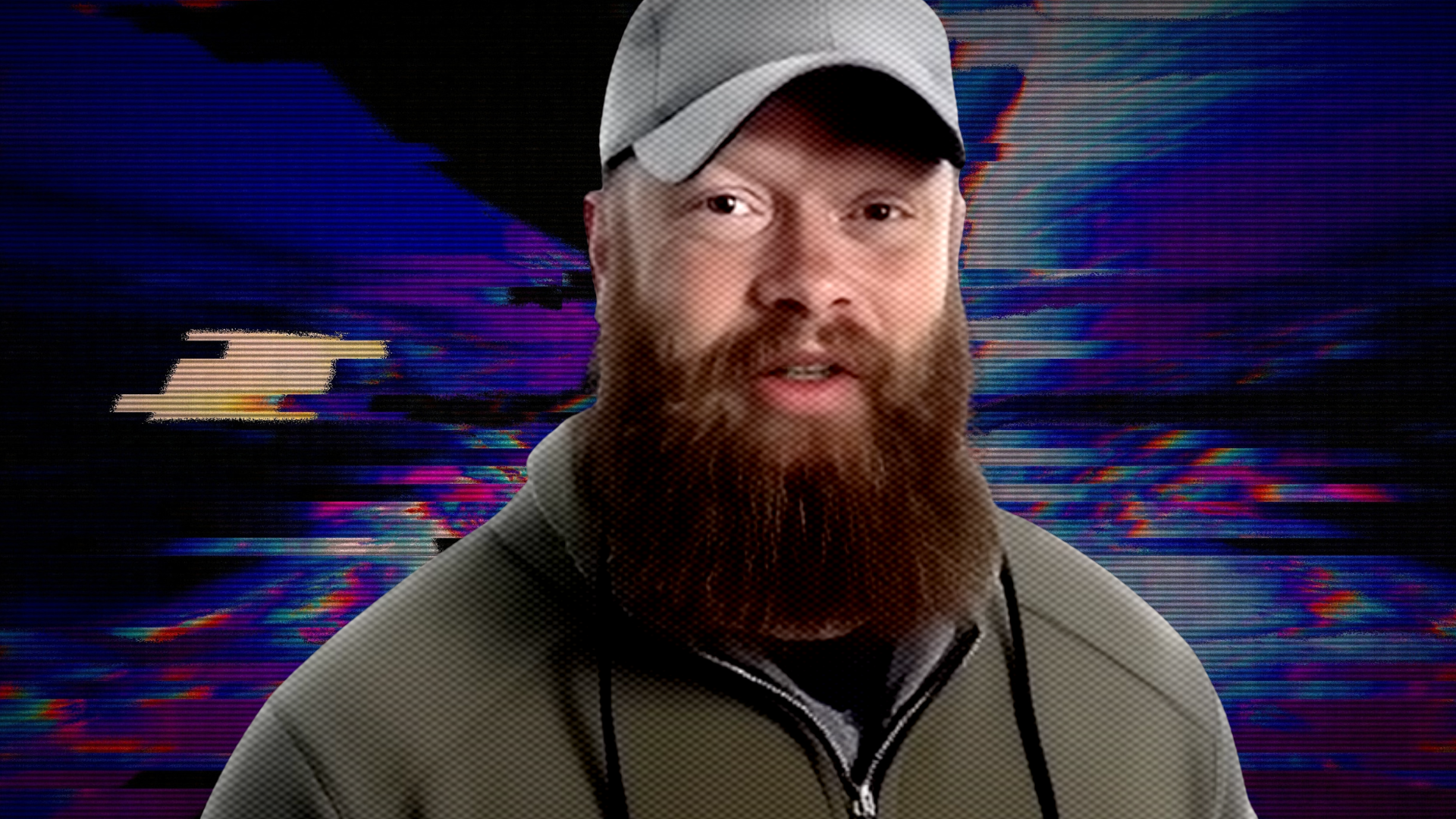
亚利桑那州一名被判过失杀人罪的男子将获得重新量刑,因为一段由AI生成的、让受害者在坟墓之外开口说话的视频被裁定作为影响陈述带有“过度的情感分量”。亚利桑那州一家上诉法院裁定,过失杀人罪的指控维持不变,但法官必须因AI而重新考虑该男子的刑期长短。
2021年,Gabriel Horcasitas在一起路怒事件中开枪打死了Christopher Pelkey。陪审团裁定他过失杀人罪成立。在Horcasitas的量刑听证会上,Pelkey的姐姐Stacey Wales在受害者影响陈述中[播放了一段AI生成的视频](https://www.404media.co/i-loved-that-ai-judge-moved-by-ai-generated-avatar-of-man-killed-in-road-rage-incident/),视频中是她弟弟的形象。在这段视频中,她用自己撰写的文字让AI生成的Pelkey形象说出这些话,AI版Pelkey原谅了杀害他的人,并说他们在另一世“本可以成为朋友”。
“[我很喜欢那段视频](https://www.youtube.com/watch?v=tr9b1_rintk&ref=404media.co),”法官在宣判10年半最高刑期时说道。
Wales告诉404 Media,她制作这段视频的意图是影响法官。“这不正是你希望人与人之间的联结所成为的样子吗?”她说。“你有没有过看完一部电影出来说:‘嗯,那太煽情了。那太有冲击力了。’人与人之间的联结是有力量的,而试图把这种联结传达给一个从未认识过另一个人、从未认识过地球上这个人的对象,把这个人37年的一生浓缩到一场两小时的量刑活动中,是很难做到的,我认为受害者和受害者家属应该被给予一切机会。”
量刑之后,Horcasitas提出上诉。他主张,AI版Pelkey的视频不可采纳,因为它带有“过度的情感分量”,而且根据404 Media查阅的法庭文件,这段“对受害者的逼真AI再现传达出一种权威性和真实性”,对法官产生了“心理冲击”。
上诉法院同意这一主张,并援引了_State v. Rose_案——2007年的一起谋杀案,一名男子因谋杀一名警察被判处死刑。在该案量刑的受害者影响环节中,法官看到了那名警察的孩子们在其墓旁的几张照片。法院称,那些照片几乎越界,足以使法官产生偏见。
“这段AI视频越过了那条线。与Rose案中的照片不同——那些照片捕捉的是年幼幸存受害者尤为痛切的一刻——这里的AI视频\[...\]并不反映真实事件,”法庭文件称。
“它显然影响了量刑法官,这位法官说他‘很喜欢那段视频’,并觉得它‘是真实的’,并指出AI受害者对Horcacistas‘显而易见的宽恕’,”法庭文件称。“基于这一记录,法官对AI视频的考量使Horcasitas受到了如此严重的偏见,以致量刑程序从根本上变得不公正。”
Wales和Pelkey的其他家人过去五年来因他的死亡而频繁出入各个法庭。如果当前裁决维持不变,她将从纽约前往亚利桑那州,通过她弟弟AI生成的口说出与第一次相同的陈述,只是不再有那段AI生成的视频。当初说“我很喜欢那段视频”的那位同一位法官将进行量刑。
“很可能,同样的人会再次下去发表他们的陈述,而我会再次宣读我第一次为自己写的受害者影响陈述,我也会再次表达 Chris 的 AI 脚本情感,”她说。“如果我需要亲自站在那里宣读,这在法律上是合法的,我已准备好这样做。Chris 的情感不会改变。传达方式会变。”
Wales 说,AI 版本中她哥哥说出的话是她写的,并非 AI 生成。她还指出,审判期间只有法官、她的家人和 Horcacistas 家人看过它。“这并未作为证据提供。陪审团从未看到过这个,”她说。“这只是在判决确定、有罪判决之后才创建的。”
她还指出,AI 视频只是当天提供的更大证词的一部分。“我认为\[法官\]被一段声音片段不公平地代表了,”她说。据 Wales 说,法官讲了大约半小时,只提到过一次 AI 视频。Wales 自己将法官说他喜欢 AI 生成的影响陈述的声音片段上传到 YouTube,并在那里疯传。
但她也表示,她理解 AI 是一项新技术,当她播放 AI 生成的她哥哥的视频时,她正在做别人尚未做过的事。她将其比作 19 世纪末法院对摄影的看法。
“大约花了 15 年\[...\]以及大约 [五个里程碑案件](https://www.researchgate.net/publication/233073755_Visual_Images_in_the_Courtroom_a_Historical_Perspective?ref=404media.co) 在美国一直上诉到最高法院,摄影才成为法庭上用于证据、识别和证词等的公认标准,”她说。“我相信这就是我们现在在 AI 上看到的情况。它是一种全新的媒介。”
Wales 说,她明白自己正在开创先例,无论好坏,她都接受。“总会有第一个案例,所以这份责任压在我身上,我需要小心如何为此辩护,如何解释其推动力、目标、动机以及所创建内容的真实性,因为有受害者未来依赖言论自由,我确实相信受害者和他们的家人应该拥有一切可用机会来表达他们的观点,”她说。
新的量刑没有确定日期。“我们确实尊重法院的意见,如果我们需要在这些限制内运作,我已准备好宣读 Chris 的 AI 版本第一次宣读的同一份脚本,”她说。“他的情感没有改变。我们对他会如何看待整件事的看法没有改变。我作为 Chris 的想象观点所写的文字仍然没有改变,也不会改变。”
## 正文 · 原文

A man convicted of manslaughter in Arizona will be resentenced because an AI-generated video of his victim speaking from beyond the grave was ruled to have carried “undue emotional weight” as an impact statement. An appellate court in Arizona ruled that the manslaughter charge will remain, but the judge must reconsider the length of the man’s prison term because of AI.
In 2021, Gabriel Horcasitas shot and killed Christopher Pelkey during a road rage incident. A jury found him guilty of manslaughter. During Horcasitas’ sentencing hearing, Pelkey’s sister Stacey Wales [played an AI-generated video](https://www.404media.co/i-loved-that-ai-judge-moved-by-ai-generated-avatar-of-man-killed-in-road-rage-incident/) of her brother as part of her victim’s impact statement. In the video, which she scripted with her own words that she made an AI generated likeness of Pelkey say, the AI avatar of Pelkey forgives his killer and said they “could have been friends” in another life.
“[I loved that video](https://www.youtube.com/watch?v=tr9b1_rintk&ref=404media.co),” the judge said while handing down the maximum sentence of 10 and a half years.
Wales told 404 Media that her intent with the video was to sway the judge. “Isn’t that what you want human connection to be?” she said. “Do you ever come out of a movie and say: ‘Well, that was too emotional. That was too powerful. Human connection is powerful, and trying to convey that to somebody that's never known another person, this person on the earth, to convey their lifetime of 37 years down to a two-hour sentencing event is hard to do, and I think that victims and victims' families should be afforded every opportunity.”
After sentencing, Horcasitas appealed. He argued that the AI Pelkey video was inadmissible because it carried “undue emotional weight” and that the “lifelike AI recreation of the victim conveyed an authority and authenticity” had a “psychological impact” on the judge, according to court documents reviewed by 404 Media.
The appellate court agreed and cited _State v. Rose_, a 2007 murder case where a man was sentenced to death for the murder of a police officer. During the victim impact portion of the sentencing in that case, the judge saw photos of the police officer’s children at his graveside. The court said those photos almost crossed the line into prejudicing the judge.
“The AI video crossed that line. Unlike the photographs in Rose, which captured a particularly poignant moment for the young surviving victims, the AI video here \[...\] does not reflect actual events,” court documents said.
“It clearly impacted the sentencing judge, who said he ‘loved the video’ and felt it ‘was genuine,’ pointing to the AI victim’s ‘obvious forgiveness’ of Horcacistas,” the court documents said. “On this record, the judge’s consideration of the AI video so prejudiced Horcasitas as to render the sentencing procedure fundamentally unfair.”
Wales and the rest of Pelkey’s family have spent the last five years in and out of various court rooms related to his death. If the current ruling holds, then she'll travel to Arizona from New York and give the same statement she did the first time through her brother’s AI-generated mouth, minus the AI-generated video. The same judge who originally said “I loved that video” will do the sentencing.
“Likely, the same people will go back down and make their speeches, and I will be making my victims' impact statement that I wrote for myself the first time around again, and I will be delivering Chris's AI script sentiment again,” she said. “If I need to stand there and read it myself, which would be legally lawful, I am prepared to do that. Chris's sentiment does not change. The delivery method will.”
Wales said she wrote the words that came out of the AI version of her brother, they weren’t AI-generated. She also noted that only the judge, her family, and the Horcacistas family were the only people who saw it during the trial. “This was not offered as evidence. Juries never saw this,” she said. “This was only created after a verdict was solidified, a guilty verdict.”
She also noted that the AI video was only one of a larger piece of testimony given that day. “I think that \[the judge\] is unfairly represented with a soundbite,” she said. According to Wales, the judge spoke for around half an hour and only mentioned the AI video once. Wales herself uploaded the soundbite from the judge saying he loved the AI-generated impact statement to YouTube, where it went viral.
But she also said she understood that AI is a new technology and when she played the AI-generated video of her brother that she was doing something no one else had done yet. She compared it to the way courts thought of photography in the late 19th century.
“It took about 15 years \[...\] and about [five landmark cases](https://www.researchgate.net/publication/233073755_Visual_Images_in_the_Courtroom_a_Historical_Perspective?ref=404media.co) in the United States that went all the way up to the Supreme Court before photography was an accepted standard to be used in the courtroom for evidence, identification, and testimony, et cetera,” she said. “I believe that's what we're seeing now with AI. It is a brand new medium.”
Wales said she understood she was setting a precedent, for good and for bad, and that she was OK with that. “There is always that first case, and so that mantle weighs on me that I need to be careful with how I defend this and how I explain the impetus, the goals, the motivations, and the veracity of what was created, because there are victims that depend on freedom of speech for the future, and I do believe that victims and their families should have every opportunity available to them to make their their points,” she said.
There’s no firm date for the new sentencing. “We do respect the court's opinion, and if we need to operate in those guardrails, I am prepared to read the same script that the AI version of Chris read the first time around,” she said. “His sentiment has not changed. Our opinion of what we believed he would think about this whole thing has not changed. The words I penned as Chris's imagined opinion still have not changed and will not change.”